
Not All Traffic Is Valuable
May 15, 2026
You may have broken a traffic record this month. But your bank account looks the same. Bringing more people to your site doesn't always bring more sales — most of the time it just burns more budget.
In Short
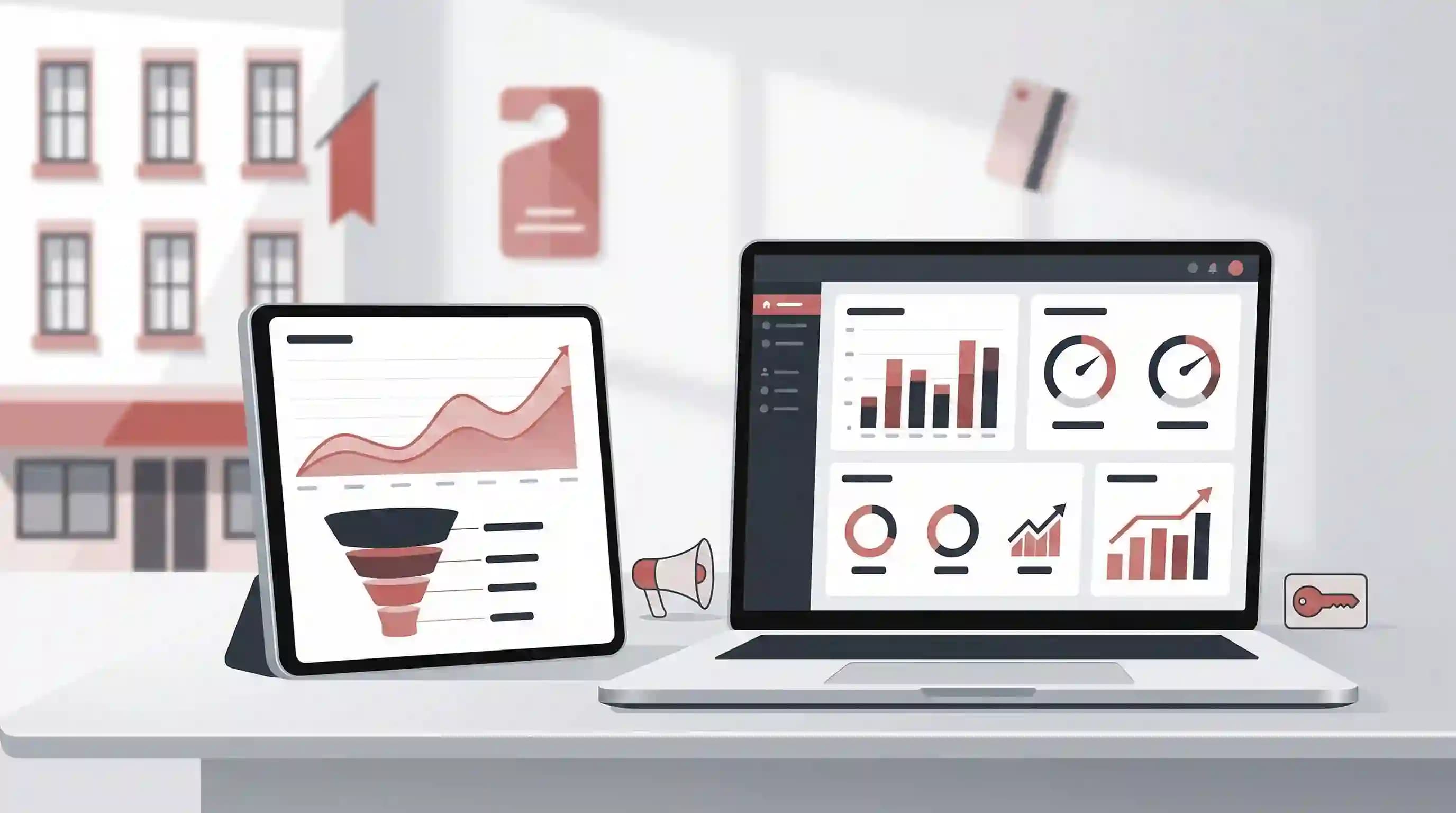
On a hotel website, more traffic and more bookings are not the same thing: the month-end report can show a click record while the bank balance stays unchanged. The reason is that ad algorithms measure only the click. If a user who glances at a room and leaves is reported as equal in value to one who selects dates and moves toward payment, the platform is told "this click is valuable" — and it starts finding more audiences who spend time on the site and never buy. Trying to solve that inefficiency by raising the budget only scales the waste. Real optimisation starts with quality rather than volume: of two campaigns on the same budget, one may bring a crowd of irrelevant traffic while the other brings far fewer visitors who actually progress through booking steps. Shift budget to the quieter campaign and total traffic falls while direct bookings rise.
One of the biggest illusions of digital success in hospitality is boasting about visitor numbers. The end-of-month reports may show rising click-through rates, website traffic at a peak, and thousands of people browsing your hotel's pages. From the outside it seems like everything is running perfectly.
But when you look at your bank account or occupancy rates, you see that the enormous traffic in those reports has not converted into bookings at the same rate. Because in the digital world, not every visitor is created equal.
1. The Gap Between Those Who Show Interest and Those Who Decide
Many hotels build their advertising strategy around reaching "everyone interested in travel." But showing ads to everyone is not marketing — it is plainly burning budget. If a user who enters your site is only looking at lobby photos or pool views and then leaving, this person does not yet have a clear holiday or purchase plan. There is an enormous difference between this visitor and a user in the decision phase who has selected a specific date range and is progressing toward the purchase steps.
2. How Does Poor-Quality Traffic Poison the Algorithm?
The only harm of low-quality traffic is not that it wastes your current budget. The far greater danger is that this data incorrectly trains the AI algorithms of ad platforms. If your system lumps together a person who is merely browsing rooms with a user who has a high purchase propensity, you are sending the platform the message: "a click is valuable for me." The algorithm does its job — and begins finding and piling into your hotel the audiences who love clicking on ads and spending time on sites but who never open their wallets.
3. The "More Ads Equals More Sales" Fallacy
Trying to solve the system's inefficiency by increasing traffic volume is one of the most common mistakes hotels make. If the structure you have cannot measure how close incoming visitors are to making a booking, increasing the budget only scales the existing waste. Traffic rises — but so do the losses alongside it.
4. Optimisation Starts with Quality, Not Volume
Imagine two campaigns running on the same budget: The first brings thousands of people to your site, but most leave without even looking at the price. The second brings far less traffic, but the large majority of those who arrive select dates and advance through the purchase steps. If you have a structure that can measure behaviour, you stop the first campaign — the one with many clicks but no value — and shift the budget to the second, which moves quietly but deeply.
The result is a fascinating picture: the total traffic to your site drops, but your profitability and direct booking numbers rise. Because what determines ad performance is not the volume of traffic, but what the algorithm has learned to value.
For a deeper look at this topic, see Meta API Setup for Hotels guide.
Related Posts
How to Identify a High-Intent User?
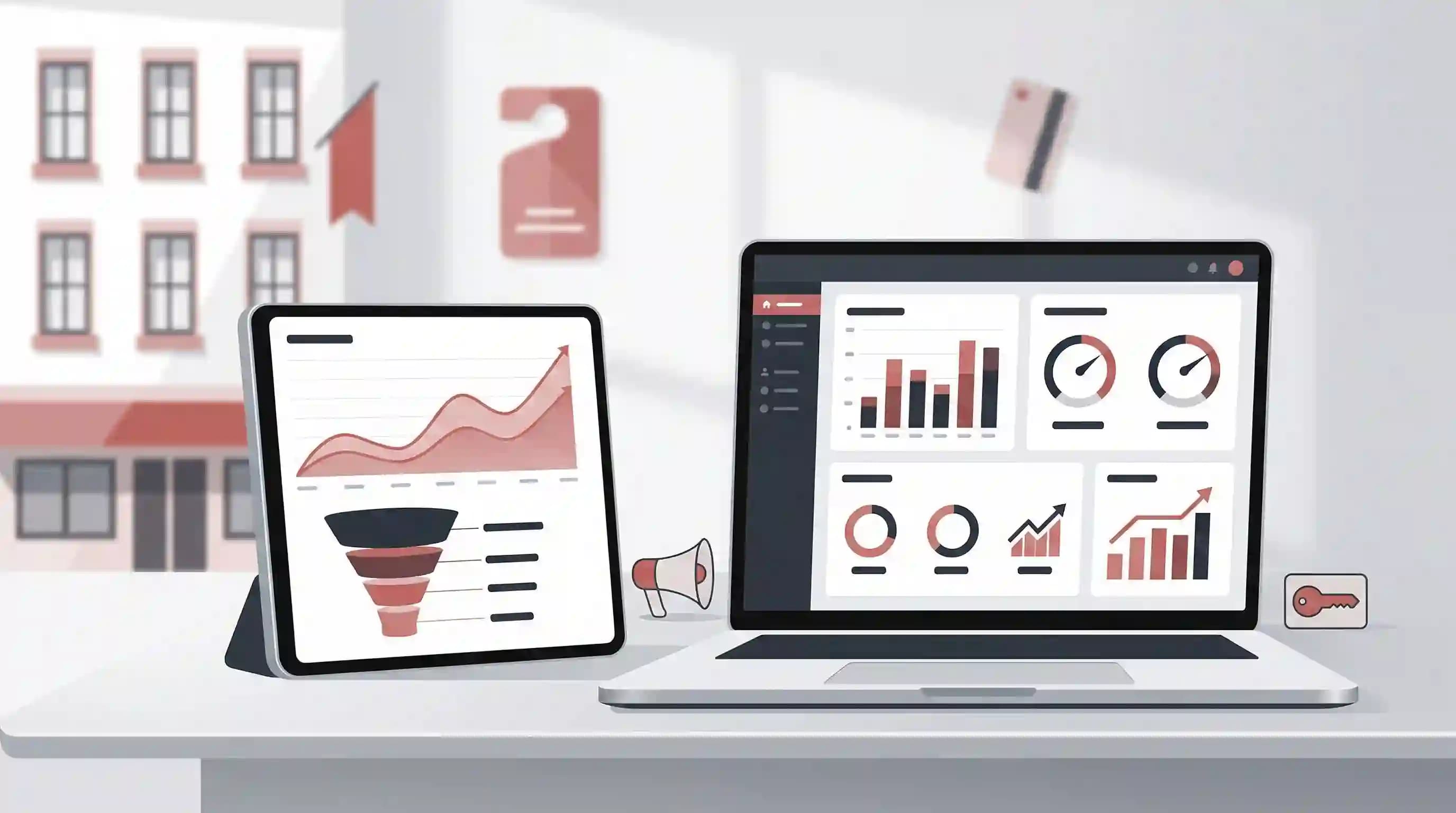
Understanding whether the user on the other side of the screen is genuinely close to buying requires reading mouse movements and moments of hesitation between page transitions correctly. Micro-movements are the strongest evidence of purchase proximity.
Why Click Count Is the Most Dangerous Lie
Imagine your hotel lobby packed to the brim — but not a single transaction processed at reception. In the digital world, when the end-of-month report shows '10,000 clicks,' this is celebrated as a 'success.' This is the biggest trap digital marketing sets for hoteliers.